Golden Boy stars who shone the brightest at the 2026 World Cup
A total of nine previous Golden Boy winners took part in the 2026 World Cup in Canada, Mexico and the United States, ranging from players such as Lionel Messi and Kylian Mbappé to the most recent Golden Boy winner, Désiré Doué. Some of them produced historic individual performances, three returned home as world champions, while others barely received any playing time at all.
Here we rank all nine players based on how well they performed during the tournament. In our assessment, we have taken into account their playing time, statistics, importance to the team and how far their national side progressed.
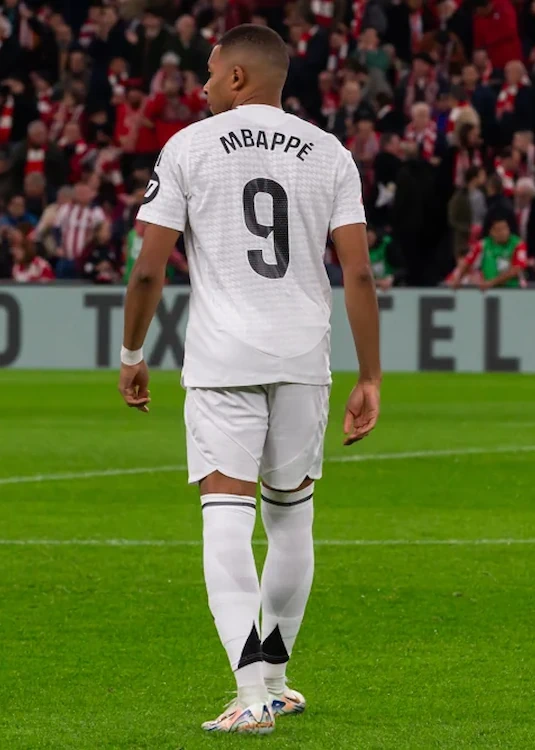
1. Kylian Mbappé, France - Golden Boy Winner 2017
France were the tournament's main favourites up until the semi-finals, but that was where they were eliminated by eventual gold medallists Spain. They may ultimately have finished only fourth after losing to England in the third-place play-off, but no previous Golden Boy winner produced a stronger individual tournament than Kylian Mbappé.
The French captain scored ten goals in eight matches and therefore won his second consecutive World Cup Golden Boot, something no player in World Cup history had ever achieved before. His two goals in the extraordinary 6-4 defeat against England also took his overall World Cup tally to 22 goals. This means that he is now the tournament's all-time leading goalscorer, ahead of Lionel Messi.
Mbappé arrived at the tournament as one of the clearest favourites to win the Golden Boot and fully lived up to expectations. It may have ended on a disappointing note for the French team, but Mbappé once again showed that he is almost uniquely suited to World Cup football.
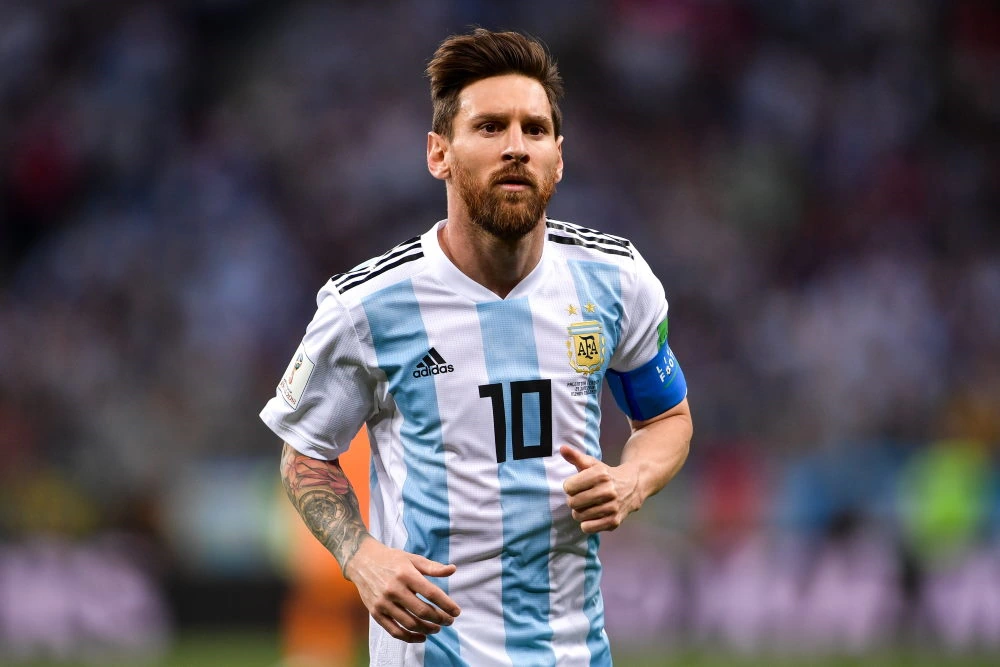
2. Lionel Messi, Argentina - Golden Boy Winner 2005
Lionel Messi arrived at the tournament with Argentina as the reigning world champions and came very close to completing another fairytale World Cup campaign. Argentina reached their second consecutive final, but lost 1-0 to Spain after extra time.
Messi played in all eight of Argentina's matches, started seven of them and finished the tournament with eight goals and four assists. He also scored a hat-trick during the competition, in his team's opening match against Algeria, and helped Argentina defeat England in the semi-final by providing two assists. The tournament took his overall World Cup record to 21 goals and 12 assists across six editions.
He could no longer physically dominate every aspect of matches, but his passing, finishing and ability to produce decisive moments remained at an exceptional level. Only Mbappé's record-breaking goalscoring tally prevents Messi from topping this ranking.
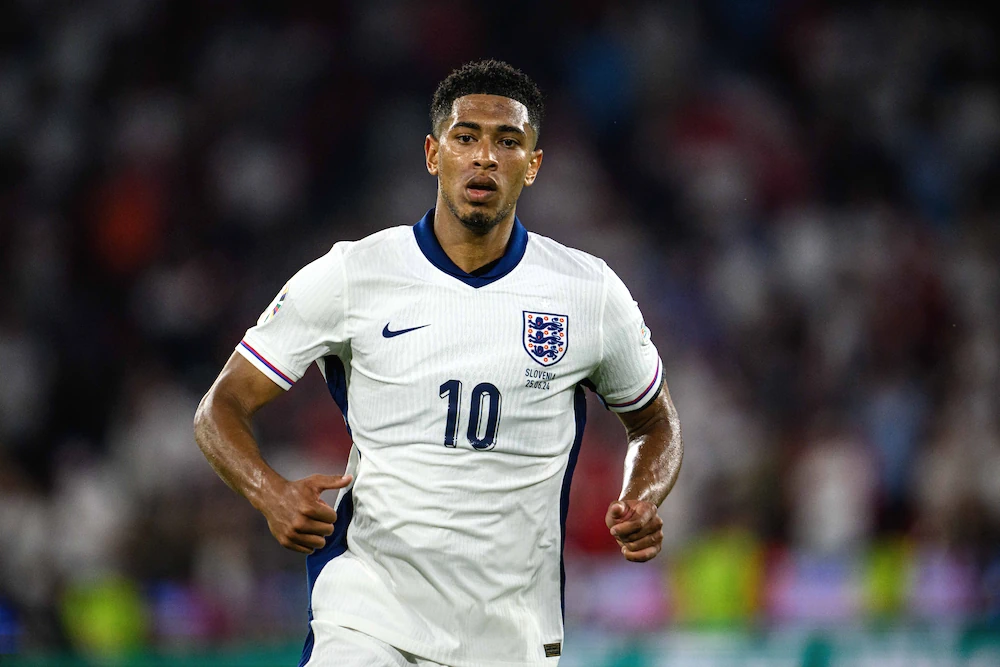
3. Jude Bellingham, England - Golden Boy Winner 2023
England eventually finished third after following their semi-final defeat against Argentina with a remarkable 6-4 victory over France. Bellingham also scored in the third-place play-off after coming on as a substitute, taking his total for the tournament to seven goals. That is more than any other player in the England men's national team had previously scored at a single major tournament.
His performances were not only about the goals, however. Bellingham also led several of England's attacking statistical categories and drove the team forward in several matches with his runs, physical strength and ability to move into dangerous areas. England did not win the tournament, but Bellingham left the World Cup with a considerably stronger reputation than he had before the competition.
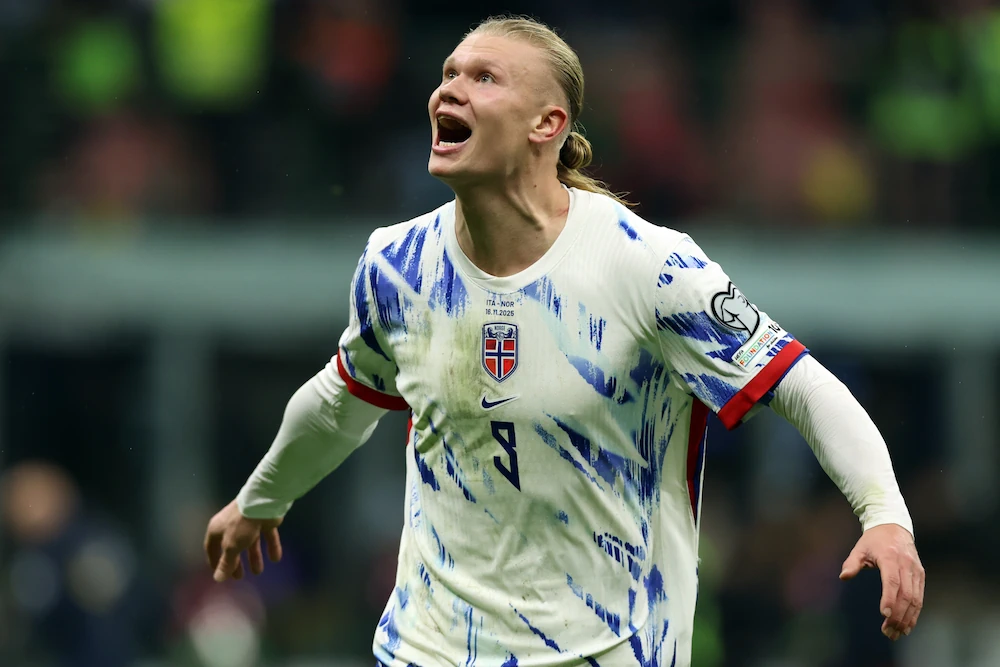
4. Erling Haaland, Norway - Golden Boy Winner 2020
Erling Haaland's first World Cup was a major success, even though Norway's journey came to an end against England in the quarter-finals. He scored seven goals in six matches as Norway progressed from a difficult group and then reached the quarter-finals after eliminating Brazil 2-1 in the round of 16, with Haaland scoring both of Norway's goals in that match.
He scored with the same kind of efficiency that has characterised his entire career. In typical Haaland fashion, he was partly anonymous during matches but deadly whenever even the slightest opportunity appeared.
Norway's 2-1 defeat in the quarter-finals brought his tournament to an end, but reaching that stage was a major achievement for a country playing at its first World Cup since 1998 and which had failed to qualify for any major tournament since then. Haaland showed that his goalscoring form at club level can also be transferred to the biggest international stage, and expect to see further success from both Norway and Haaland in the years ahead.
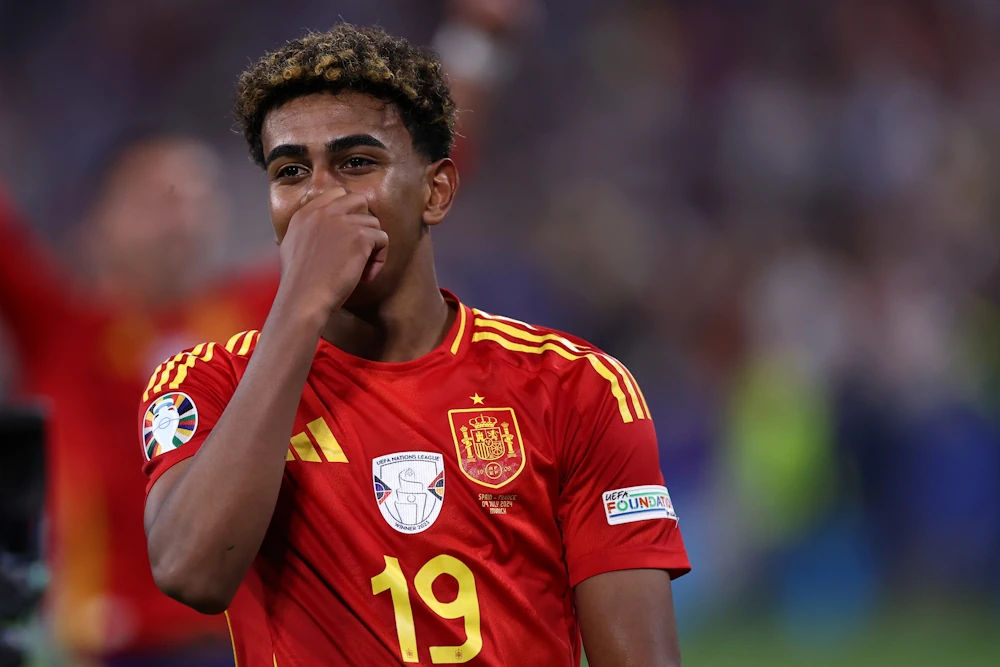
5. Lamine Yamal, Spain - Golden Boy Winner 2024
Lamine Yamal won the European Championship at the age of 17, and he has now become a world champion in his first World Cup at the age of 19, having played eight matches in total and started seven of them.
His only goal of the tournament came in the 4-0 group-stage victory over Saudi Arabia, and he also won a penalty during the competition. Although his attacking statistics were relatively modest, he played 615 minutes and was one of Spain's main threats from the right flank throughout their journey to the title.
Yamal did not dominate the tournament in the way some may have expected him to, or in the way he did at Euro 2024, but playing such a major role in a World Cup-winning team at the age of 19 is still a tremendous achievement. He also played all 120 minutes of the final against Argentina.
6. Pedri, Spain - Golden Boy Winner 2021
Pedri finished the tournament without scoring or providing an assist, but his performance cannot be judged solely on those statistics. He featured in all eight of Spain's matches, started five and played a total of 500 minutes as Luis de la Fuente's team won the World Cup after conceding only one goal.
Pedri helped Spain control possession, play their way out of pressure and dictate the tempo of matches. Rodri won the Golden Ball as the tournament's best player, and several other Spanish players produced more clearly decisive moments, but Pedri remained an important part of the best midfield at the tournament.
Being a regular and significant member of a World Cup-winning team places him ahead of several players with more goals and assists.
7. Désiré Doué, France - Golden Boy Winner 2025
Désiré Doué entered the tournament as an exciting option in the French team's almost absurdly strong attack and ended it having earned himself a significant role in the side. He appeared in all eight matches, started four and recorded one goal and one assist in 398 minutes.
Doué was not one of France's leading stars, particularly with Mbappé and Michael Olise producing such outstanding attacking numbers and Bradley Barcola also making a considerable impression, but he made good use of his opportunities. For a 21-year-old competing for places in an exceptionally strong attack, four starts and two goal contributions represented a very respectable performance at his first World Cup.
8. Gavi, Spain - Golden Boy Winner 2022
Gavi returned home with a World Cup winner's medal, although his personal involvement in Spain's tournament was limited. He played only two matches, started one and received a total of 76 minutes of playing time without scoring or providing an assist.
His most memorable moment instead came shortly after the final whistle, when he became involved in a confrontation with Argentina midfielder Leandro Paredes. The incident initially led to conflicting reports over whether Paredes had officially been sent off and later resulted in further discussion as well as an investigation by FIFA.
Gavi remained a useful option in Spain's squad, but he was clearly behind several other midfielders in the pecking order.
9. João Félix, Portugal - Golden Boy Winner 2019
João Félix produced the quietest tournament of all nine previous Golden Boy winners. Portugal reached the round of 16 before losing 1-0 to eventual world champions Spain, but Félix neither scored nor provided an assist. He received only limited playing time and failed to establish himself as an important attacking player for Portugal at this World Cup.
The original question surrounding Félix was whether Roberto Martínez would give him any significant playing time. In the end, the competition in Portugal's attack proved too strong, and he never managed to become the creative wildcard he may have hoped to be.
Three Golden Boy Winners Became World Champions
The nine previous winners experienced very different tournaments, but the Golden Boy Award was well represented all the way into the latter stages of the competition.
Mbappé won the Golden Boot and became the all-time leading goalscorer in World Cup history, Messi came within one match of defending the title, Bellingham and Haaland produced outstanding goalscoring performances, while Pedri, Yamal and Gavi all became world champions with Spain.
The tournament also showed how differently careers can develop after a player has won the award. Some of these players arrived at the World Cup as the undisputed poster boys of their national teams, while others had to settle for smaller roles.